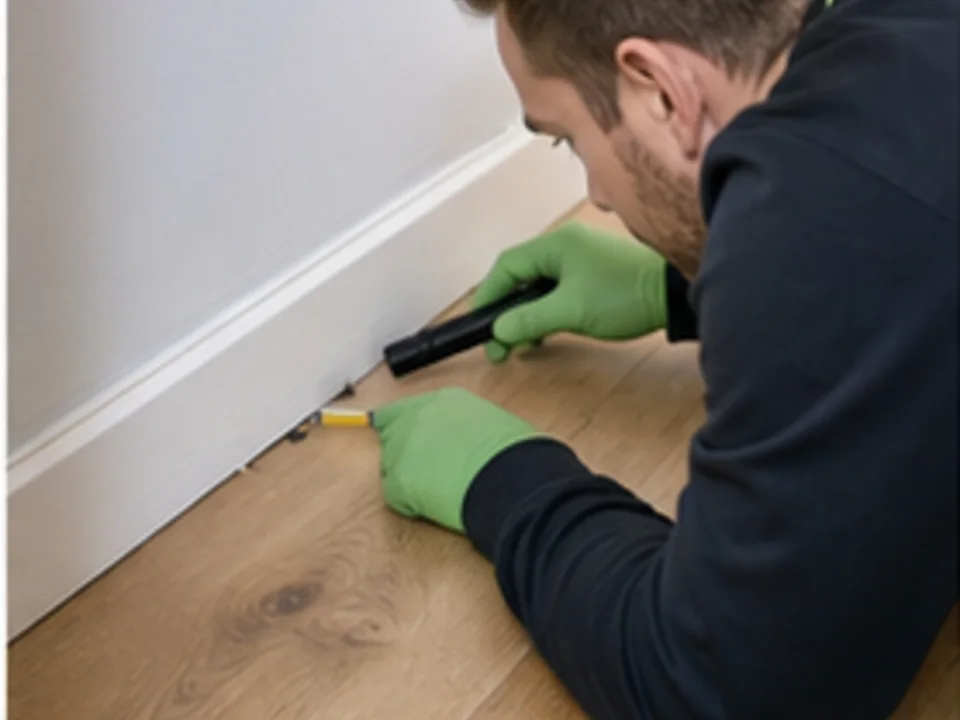
Describe the signs
Tell us what you have noticed, where it is happening and when it started.
rodents
If you have heard movement, found droppings or noticed gnawing, Pest Direct can help establish the sensible next step.
What to look for
These signs are a starting point, not a confirmed identification. Contact Pest Direct if you are unsure.
Understanding the problem
Rats are adaptable rodents that can use drains, gardens, wall cavities, roof spaces and service routes to reach food and shelter. A sighting is useful evidence, but droppings, gnawing, tracks and the time of activity can reveal more about where the problem starts and how widely it may extend.
Where signs may appear
In homes, signs often appear around kitchens, lofts, sheds, compost areas and pipe entries. Commercial premises may also need bin stores, stock rooms, delivery areas and neighbouring units considered. An inspection-led approach looks beyond the room where a rat was first seen.
Next steps
Tell us what you have noticed, where it is happening and when it started.
The pest, likely source and suitable next step are considered.
Inspection, treatment or proofing options are explained before work begins.
Practical prevention advice is provided where it is relevant.
Before an assessment
Record the location and approximate size of droppings, any scratching sounds and visible damage. Keep children and pets away from contaminated areas, avoid sweeping dry droppings, and do not seal a suspected active route before asking for advice because this can move activity elsewhere in the building.
Longer-term protection
Reducing repeat activity may involve secure food and refuse storage, clearing accessible shelter, repairing damaged drains or vents and proofing suitable openings. The right work depends on confirmed routes and building condition; closing random gaps without resolving the active problem can be ineffective.
Questions
Share the signs you have found and where they occur. Pest Direct can help decide whether an inspection or another next step is appropriate.
Usually it is better to avoid disturbing nests, droppings, harbourage or entry points before asking for advice, as these signs can help with assessment.
They can use drainage, gardens, adjoining structures and shared service routes. The evidence at your address should be assessed before deciding which source is most likely or what proofing is appropriate.
Local coverage
Check the closest service-area page, or send your postcode for a direct coverage check.
Related services