Describe the signs
Tell us what you have noticed, where it is happening and when it started.
insects
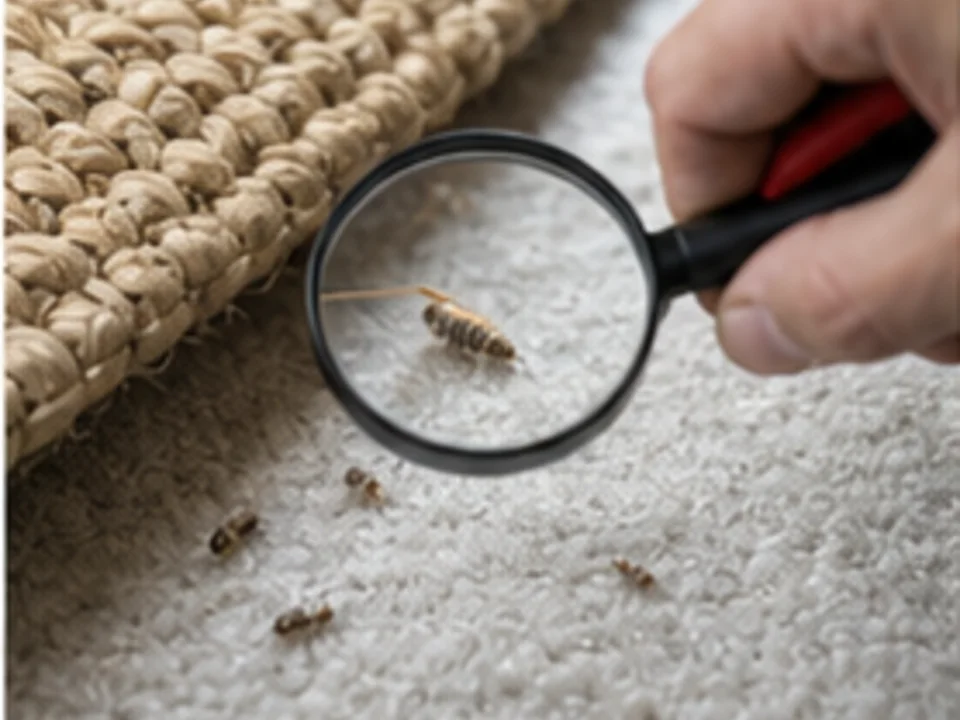
Damage patterns, larvae and affected materials help distinguish the likely source of a moth problem.
What to look for
These signs are a starting point, not a confirmed identification. Contact Pest Direct if you are unsure.
Understanding the problem
The larvae of textile-feeding moths cause damage to vulnerable natural fibres; adult moths help indicate activity but do not create the holes themselves. Larvae, cases, webbing and damage patterns are therefore important when identifying the affected material and source.
Where signs may appear
Wardrobes, carpets under furniture, stored textiles, upholstery and quiet edges of rooms can all conceal activity. Other moth species may be associated with stored food instead, so the exact insect and material affected should be confirmed before treatment is planned.
Next steps
Tell us what you have noticed, where it is happening and when it started.
The pest, likely source and suitable next step are considered.
Inspection, treatment or proofing options are explained before work begins.
Practical prevention advice is provided where it is relevant.
Before an assessment
Photograph the insect, larvae and damage, and keep a specimen if possible. Avoid moving untreated textiles around the property. Check care labels and wait for tailored instructions before washing, freezing, discarding or applying products to valuable fabrics.
Longer-term protection
Regularly inspect stored wool, fur, feathers and other natural fibres, especially in undisturbed areas. Clean storage spaces, deal with lint and hair, and use clean sealed storage for vulnerable items. Monitoring can help identify new adult activity before more damage develops.
Questions
Share the signs you have found and where they occur. Pest Direct can help decide whether an inspection or another next step is appropriate.
Usually it is better to avoid disturbing nests, droppings, harbourage or entry points before asking for advice, as these signs can help with assessment.
Usually the feeding larvae cause the damage. Identifying larvae, cases and the affected fibre is more useful than relying only on an adult moth sighting.
Local coverage
Check the closest service-area page, or send your postcode for a direct coverage check.
Related services