Describe the signs
Tell us what you have noticed, where it is happening and when it started.
prevention
Storage, waste, maintenance and monitoring can all reduce the conditions pests exploit.
What to look for
These signs are a starting point, not a confirmed identification. Contact Pest Direct if you are unsure.
Understanding the problem
Pest prevention combines routine checks with practical management of access, food, water and shelter. The priorities differ between a family home, rented building, restaurant, warehouse and office, so a useful plan reflects how the premises is constructed and used.
Where signs may appear
Vulnerable points can include bin stores, deliveries, stock rotation, kitchens, drains, roof spaces, gardens and shared service areas. Seasonal changes and nearby building work can also alter activity. Records make patterns easier to recognise before a small issue becomes established.
Next steps
Tell us what you have noticed, where it is happening and when it started.
The pest, likely source and suitable next step are considered.
Inspection, treatment or proofing options are explained before work begins.
Practical prevention advice is provided where it is relevant.
Before an assessment
Review where previous activity occurred, what was done and whether the same signs returned. Note waste arrangements, food storage, water leaks, maintenance gaps and access constraints. Businesses may also benefit from identifying a responsible contact and keeping a simple sighting log.
Longer-term protection
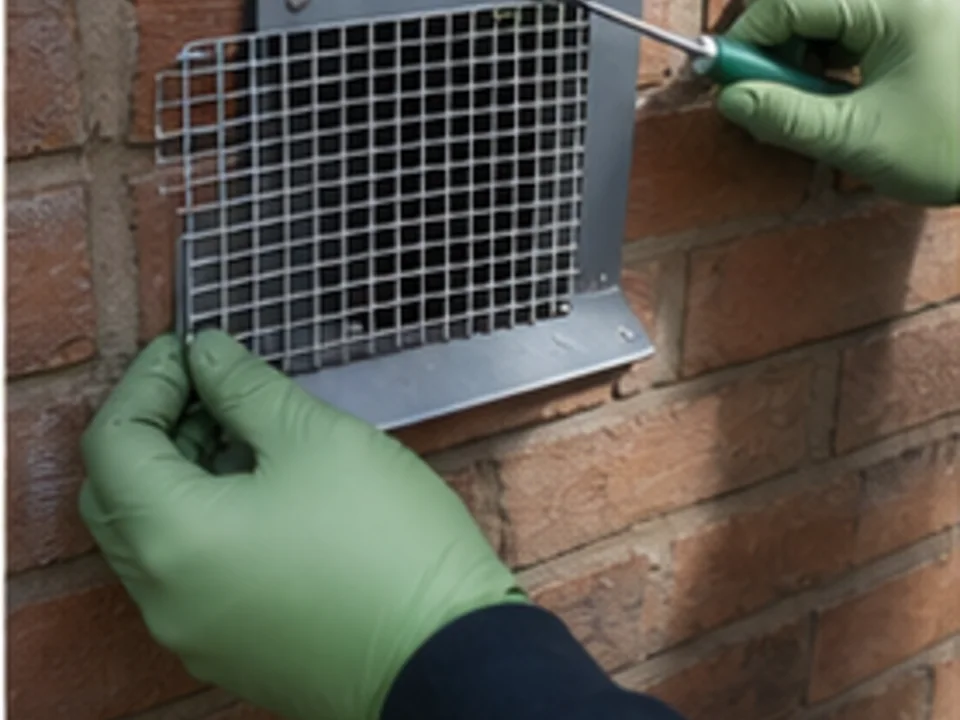
Use secure storage, timely waste removal, suitable maintenance and inspection of likely access points. Proofing should match the building and target pest. Monitoring should be reviewed when premises, stock, neighbours or seasons change rather than treated as a one-off checklist.
Questions
Share the signs you have found and where they occur. Pest Direct can help decide whether an inspection or another next step is appropriate.
Usually it is better to avoid disturbing nests, droppings, harbourage or entry points before asking for advice, as these signs can help with assessment.
It should cover the property-specific risks, routine checks, responsibilities, record keeping and actions for new signs. The detail should match the premises rather than rely on a generic schedule.
Local coverage
Check the closest service-area page, or send your postcode for a direct coverage check.
Related services